
Why are Some Microbiology Media Autoclaved While Others are Irradiated?
Written By: Leonor Araújo |
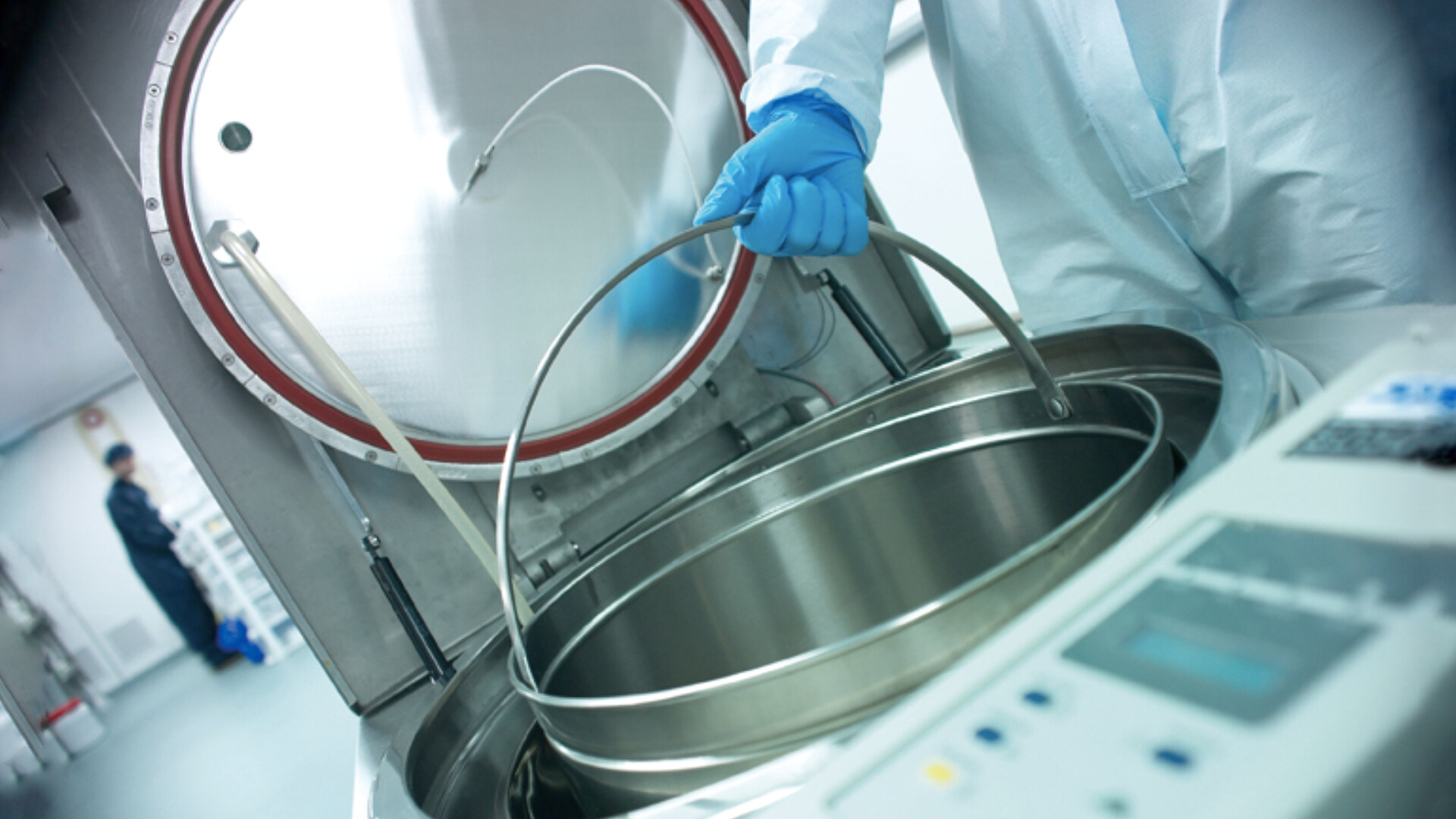
This article explores how sterilization methods are selected for prepared microbiology media:
- Why autoclaving and irradiation achieve sterility through fundamentally different mechanisms
- How formulation sensitivity influences which sterilization method can be used
- Why packaging format plays a critical role in method selection
- How validation approaches differ between steam and radiation
- When aseptic filling becomes the only viable option
- Why growth performance remains the decisive acceptance criterion
Sterilization is fundamental to microbiology, but not all prepared microbiology media are sterilized in the same way. Some formulations are exposed to high-temperature steam, others are treated with ionizing radiation, and some rely on carefully controlled aseptic processing.
These differences aren’t arbitrary. They reflect how media composition, packaging format, and intended use influence which sterilization method can be applied without compromising performance.
Understanding the science behind these choices helps explain why autoclaving remains common, why irradiation plays an increasingly important role, and where aseptic filling fits when terminal sterilization isn't feasible.
Terminal sterilization in prepared microbiology media
Sterilization is a foundational requirement in microbiology, as any contamination within culture media can interfere with experimental outcomes, diagnostic accuracy, or production processes.
Two principal terminal sterilization methods dominate the preparation of microbiological culture media: moist heat sterilization (autoclaving) and ionizing radiation (gamma or electron beam irradiation). Both can achieve sterility, but they do so in very different ways—and those differences directly influence their suitability for specific media formulations and formats.
But what’s the difference between autoclaving and irradiation sterilization processes, and when should they be used?
Autoclaving and irradiation: a step-by-step comparison
Rather than representing interchangeable options, autoclaving and irradiation are selected based on how they interact with three main factors:
- Media composition and component sensitivity
- Packaging format and contamination risk
- Validation and sterility assurance requirements
Autoclaving relies on saturated steam at high temperature—most commonly 121 °C under ~15psi of pressure—to destroy microorganisms by denaturing proteins and disrupting cellular structures. Its effectiveness is underpinned by well-established thermal resistance data, with Geobacillus stearothermophilus spores used as biological indicators for validation.
These spores exhibit D-values at 121 °C in the order of 1.5-2 minutes, which underpins the reliability of conventional and conservative 15-minute liquid cycles for sterilizing microbiological media. Effective liquid sterilization also depends on appropriate cycle design, such as slow exhaust phases to prevent boiling and ensure uniform heat penetration.
Irradiation, by contrast, sterilizes at ambient temperature. Gamma or electron beam irradiation destroys microorganisms by damaging DNA and generating free radicals that disrupt cellular integrity, without relying on heat or moisture.
Effect on media components
This difference in mechanism has a direct impact on media compatibility. Autoclaving is highly effective for heat-stable formulations containing simple peptones, salts, and agar. Many classical broths and agar-based media are specifically designed to tolerate steam sterilization.
However, certain media components are particularly vulnerable to autoclave conditions, and may degrade or lose functionality when subjected to high temperatures. These include:
- Certain carbohydrates
- Bile salts
- Dyes
- Vitamins
- Growth factors
- Many antibiotics
Irradiation avoids thermal degradation, and is therefore well suited to media containing heat-labile components. Published studies demonstrate that appropriate irradiation doses of 10-30 kGy can achieve sterility without altering pH, transparency, or growth-supporting properties (Mangutava et al., 2016).
That said, irradiation is not universally benign. At higher doses, or in formulations rich in sensitive organic molecules, radiation-induced free radicals can cause oxidative degradation, making dose selection and stability testing essential.
Packaging and contamination risk
Packaging format is another key differentiator. Autoclaving is typically applied to bulk liquid media in flasks or bottles prior to final packaging. While highly effective, this means the product must still be handled and packaged aseptically after sterilization. By contrast, irradiation can be applied after the final packaging.
This “sterilize-as-shipped” approach is particularly advantageous for pre-poured agar plates, sealed culture tubes, and sterile transport media, as it eliminates the risk of post-sterilization contamination, and supports longer shelf life for ready-to-use products.
Validation, control, and typical applications in prepared media
Validation approaches differ:
- Steam sterilization is validated using defined time and temperature parameters, supported by biological indicators based on highly heat-resistant spores.
- Gamma irradiation relies on dose measurement, dose mapping, and stability studies to demonstrate sterility without compromising media performance.
- Electron beam irradiation offers shorter exposure times but lower penetration depth, limiting suitability for dense or multi-layered packaging.
These validation differences influence how each method is applied in practice:
Autoclaving remains the dominant method for classical broths, base agars, and bulk liquid media, where formulations are heat-stable and packaging occurs after sterilization.
Irradiation plays a critical role in the commercial production of ready-to-use media formats, particularly where final-pack sterilization, extended shelf life, or heat-labile components are required.
Aseptic filling in context: when terminal sterilization isn’t feasible
In some cases, neither autoclaving nor irradiation is suitable.
Media containing blood, serum, delicate growth factors, or certain antibiotics may lose biological activity when exposed to heat or ionizing radiation. In these situations, aseptic processing is the only viable option.
Aseptic filling involves sterilizing each component separately using the most compatible method—such as filtration for heat-labile ingredients—followed by final assembly in a controlled environment designed to prevent contamination.
From a regulatory perspective, terminal sterilization is always preferred when feasible, particularly in pharmaceutical manufacturing, because it provides a measurable Sterility Assurance Level (SAL ≤ 10⁻⁶). Aseptic processing can’t deliver a calculated SAL, as sterility depends entirely on contamination prevention rather than the application of a terminal kill step. Even so, aseptic filling remains essential for products whose ingredients are unable to tolerate terminal sterilization.
In microbiology media production, aseptic techniques are often used alongside terminal sterilization. A base medium may be autoclaved or irradiated, with sensitive additives introduced aseptically afterward. This hybrid approach balances sterility assurance with the preservation of biological function.
Selecting sterilization method for a given medium
Choosing between autoclaving, irradiation, or aseptic filling depends on several interrelated factors:
- Formulation stability is the primary consideration: Heat-stable compositions are well suited to autoclaving, while media containing sensitive biomolecules may require irradiation or aseptic addition.
- Packaging format strongly influences choice: Bulk liquids align well with steam sterilization, whereas pre-poured plates and sealed units benefit from irradiation after final packaging.
- Validation requirements also play a role: Terminal sterilization methods allow manufacturers to demonstrate quantifiable sterility through biological indicators or dose measurements, while aseptic processing demands rigorous environmental controls, personnel qualification, and media fill simulations.
Regardless of the sterilization method used, performance qualification through growth promotion testing remains the decisive acceptance criterion for prepared microbiology media.
Bringing Sterilization Science Together in Practice
Prepared microbiology media are sterilized in different ways because their formulations, sensitivities, packaging formats, and intended uses vary widely. No single sterilization method is universally appropriate.
Autoclaving remains a robust and widely used approach for heat-stable formulations, while irradiation enables terminal sterilization of finished, packaged products and protects heat-labile components. Aseptic filling supports the use of highly sensitive biological ingredients unable to tolerate terminal sterilization.
Together, these approaches allow manufacturers to match sterilization method to medium design, ensuring sterility, stability, and biological performance are preserved. The result is prepared microbiology media that laboratories can trust to perform consistently and reliably in real-world use.
Leonor Araújo is AnalytiChem’s Global Product Manager, Traded Products, Life Sciences.